Natural Wood Digital Paper
Whether you're a hobbyist, a small business owner, or a professional designer, the right digital paper can make all the difference in your projects. Natural Wood Digital Paper is a versatile resource that combines the organic beauty of wood with the precision of digital design. This type of paper is especially popular among those who use sublimation and craft techniques, offering a unique texture and aesthetic that stands out from standard digital backgrounds.
Why Choose Natural Wood Digital Paper?
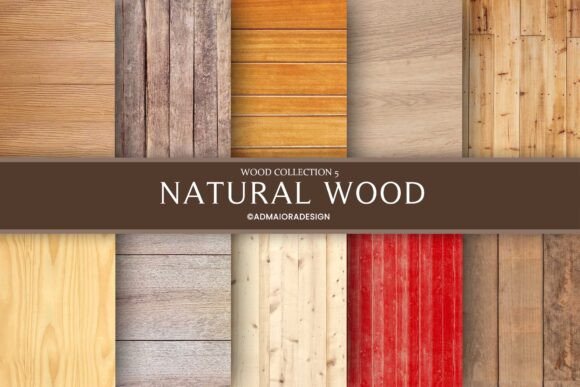
Natural Wood Digital Paper offers more than just a visual appeal. It provides a textured surface that mimics the look and feel of real wood, making it ideal for creating custom designs, packaging, invitations, and more. Its high resolution—4000×3000 pixels at 300 DPI—ensures that your printed materials maintain clarity and detail, even when scaled up. Whether you're working on a personal project or a commercial one, this paper can elevate the quality and professionalism of your work.
Common Mistakes to Avoid When Using Natural Wood Digital Paper
While Natural Wood Digital Paper is incredibly useful, there are several common mistakes people make that can impact the final result. Understanding these pitfalls can help you achieve better outcomes and avoid unnecessary frustration.
Mistake 1: Not Checking File Compatibility
One of the most frequent errors is assuming that any file format will work with Natural Wood Digital Paper. While it's compatible with most software that supports JPG files, not all programs handle textures and layers the same way. Always verify that your design software can manage high-resolution images and that the paper’s file format is supported.
Mistake 2: Ignoring Resolution and DPI Settings
Using low-resolution images with Natural Wood Digital Paper can lead to blurry or pixelated prints. The 300 DPI setting ensures sharpness, but if you're not careful, your final print may not match the quality you expect. Always double-check that your image settings align with the paper’s specifications before printing.
Mistake 3: Overlooking Pattern Variety
Natural Wood Digital Paper comes in various patterns, each offering a different texture and grain. Choosing the wrong pattern can affect the overall look of your project. For example, a light-grain pattern might be better suited for delicate designs, while a bold grain could add depth to a more robust layout. Exploring the full range of available patterns can help you find the perfect match for your needs.
How to Use Natural Wood Digital Paper Effectively
Once you've selected the right pattern and ensured compatibility, using Natural Wood Digital Paper becomes straightforward. Here are some practical tips to help you get the most out of this material:
- Use Layer Masks: When designing with Natural Wood Digital Paper, layer masks can help you blend the background seamlessly with your artwork. This technique allows for greater control over how the wood texture interacts with other elements in your design.
- Test Print First: Before committing to a large print run, always test with a smaller sample. This helps you identify any issues with color, contrast, or texture that may not be visible on screen.
- Consider Sublimation Techniques: If you're using Natural Wood Digital Paper for sublimation, ensure that your printer and transfer process are optimized for the paper’s properties. Some papers may require specific heat settings or transfer times to achieve the best results.
What to Look for Before Purchasing Natural Wood Digital Paper
Before making a purchase, there are several key factors to consider:
- Resolution and DPI: Confirm that the paper meets your project’s requirements. High-resolution options like 4000×3000 pixels at 300 DPI are ideal for professional use.
- File Format: Ensure the paper is provided in a compatible format such as JPG or PNG. These formats are widely supported and preserve image quality.
- Pattern Options: Check if the provider offers a variety of patterns. Having multiple options increases the likelihood of finding the perfect fit for your design.
- Customer Support: Look for vendors that offer clear instructions, tutorials, and responsive customer service. This can be invaluable when troubleshooting or learning new techniques.
Realistic Examples of Natural Wood Digital Paper in Action
Natural Wood Digital Paper is used in a wide range of applications. For instance, a small business owner might use it to create custom gift tags for a boutique shop, adding a rustic touch to their products. A blogger could incorporate it into a printable calendar or planner, giving their audience a unique and personalized experience. Even educators can use it to design classroom materials that feel more engaging and visually appealing.
Another example is a freelancer who specializes in branding. By using Natural Wood Digital Paper for business cards or letterheads, they can create a cohesive brand identity that feels both professional and warm. These real-world applications demonstrate how versatile and valuable this resource can be across different industries.
Final Thoughts on Natural Wood Digital Paper
Choosing the right digital paper can significantly enhance the quality and impact of your projects. Natural Wood Digital Paper offers a unique combination of aesthetics and functionality, making it an excellent choice for designers, creators, and professionals alike. By avoiding common mistakes and following best practices, you can unlock its full potential and take your work to the next level.