Exploring the Versatility of Lilac Watercolor Backgrounds
Lilac watercolor backgrounds have emerged as a popular design element across various creative fields. Their soft, pastel tones and subtle texture make them ideal for both digital and print applications. Whether you're designing a presentation, creating a gift wrap, or enhancing your workspace, understanding the characteristics and uses of lilac watercolor backgrounds can elevate your projects in meaningful ways.
The Aesthetic Appeal of Lilac Watercolor Backgrounds
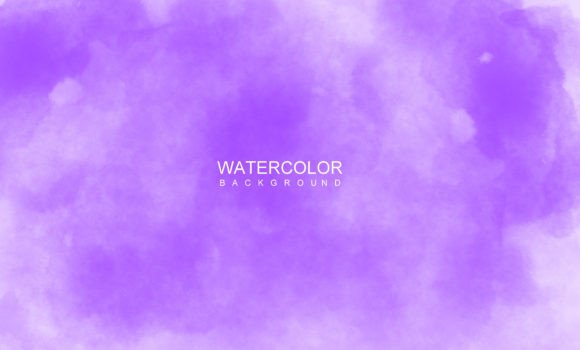
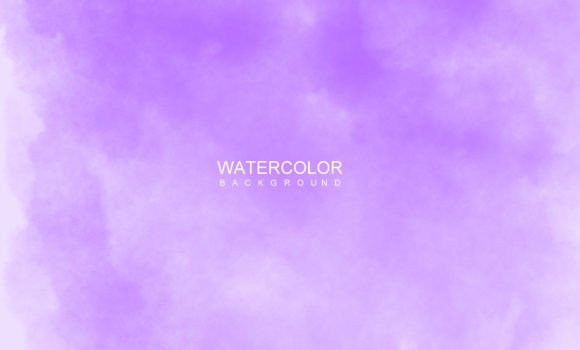
Lilac watercolor backgrounds are distinguished by their gentle, dreamy hues that evoke a sense of calm and sophistication. Unlike solid colors, these backgrounds feature a delicate blend of color and transparency, often mimicking the soft strokes of hand-painted watercolor paper. This unique quality allows them to serve as a versatile backdrop without overpowering other design elements.
The lilac shade itself is a muted purple with a hint of pink, making it visually appealing in both minimalist and ornate designs. Its versatility lies in its ability to complement a wide range of color palettes, from muted neutrals to vibrant accents. Designers and creators often use this background to add a touch of elegance and artistic flair to their work.
Applications of Lilac Watercolor Backgrounds
The adaptability of lilac watercolor backgrounds makes them suitable for numerous applications. One of the most common uses is in digital presentations. When used as a slide background, they provide a visually pleasing environment that enhances the content without distracting from the message. For instance, educators can use these backgrounds to create engaging slides for classroom presentations, while business professionals might incorporate them into pitch decks to convey creativity and professionalism.
In the realm of print design, lilac watercolor backgrounds are frequently used for greeting cards, invitations, and stationery. The soft texture adds a tactile feel to printed materials, making them more appealing to recipients. For example, a wedding invitation featuring a lilac watercolor background can create a romantic and elegant atmosphere, aligning with the theme of the event.
Another practical application is in gift wrapping and packaging. Many businesses and individuals use lilac watercolor backgrounds as wrapping paper or as part of custom gift tags. These backgrounds not only enhance the visual appeal of the gift but also reflect the sender's attention to detail and personal style. Additionally, they can be printed on fabric or used as decorative elements for DIY projects, offering endless creative possibilities.
Technical Considerations for Using Lilac Watercolor Backgrounds
When incorporating lilac watercolor backgrounds into your projects, it's important to consider the technical aspects of file formats and resolution. Most designers download these backgrounds in multiple formats, including PSD, JPG, and PNG files. Each format has its own advantages depending on the intended use.
PSD files are ideal for editing in graphic design software like Adobe Photoshop, allowing for layer adjustments and customization. JPG files are commonly used for web-based content due to their smaller file size and compatibility with online platforms. PNG files, on the other hand, support transparency and are perfect for use in layered designs or when maintaining a clean background is essential.
It's also crucial to ensure that the resolution of the background matches the requirements of your project. High-resolution images will maintain clarity when scaled up, especially for large-format prints or digital displays. Designers should always check the specifications of their chosen platform or medium before finalizing their design.
Design Workflow and Best Practices
Integrating lilac watercolor backgrounds into your design workflow requires careful planning and execution. Begin by selecting the appropriate background based on the purpose and context of your project. Once selected, consider how it interacts with other design elements such as text, images, and icons. It's important to maintain a balance between the background and foreground content to ensure readability and visual harmony.
For digital projects, testing the background on different devices and screen sizes can help identify any potential issues with visibility or performance. Similarly, for print projects, previewing the design at full scale can reveal any discrepancies in color or texture. By following these best practices, designers can effectively utilize lilac watercolor backgrounds to enhance the overall aesthetic of their work.
Creative Possibilities Beyond Traditional Uses
While lilac watercolor backgrounds are widely used in traditional design contexts, they also offer exciting opportunities for innovation. Artists and creators can experiment with these backgrounds in mixed media projects, combining them with digital illustrations, hand-drawn elements, or even 3D modeling. This fusion of techniques can lead to unique and eye-catching results that push the boundaries of conventional design.
Additionally, lilac watercolor backgrounds can be used in interactive design projects, such as augmented reality (AR) experiences or virtual reality (VR) environments. These backgrounds can serve as immersive settings that enhance user engagement and create a more personalized experience. As technology continues to evolve, the potential applications of lilac watercolor backgrounds are likely to expand further.
Conclusion
Lilac watercolor backgrounds are more than just a design trend—they represent a shift towards more thoughtful and aesthetically pleasing visual communication. Their soft, artistic qualities make them a valuable asset for designers, educators, and creators alike. By understanding their characteristics, applications, and technical considerations, you can harness the power of lilac watercolor backgrounds to elevate your projects and inspire new ideas. Whether you're working on a digital presentation, a handmade gift, or an innovative design concept, the right background can make all the difference.